“I Can’t Keep This Hidden Anymore…” – Klaus Schmidt’s DEATHBED CONFESSION Changes Everything About Göbekli Tepe & Human History

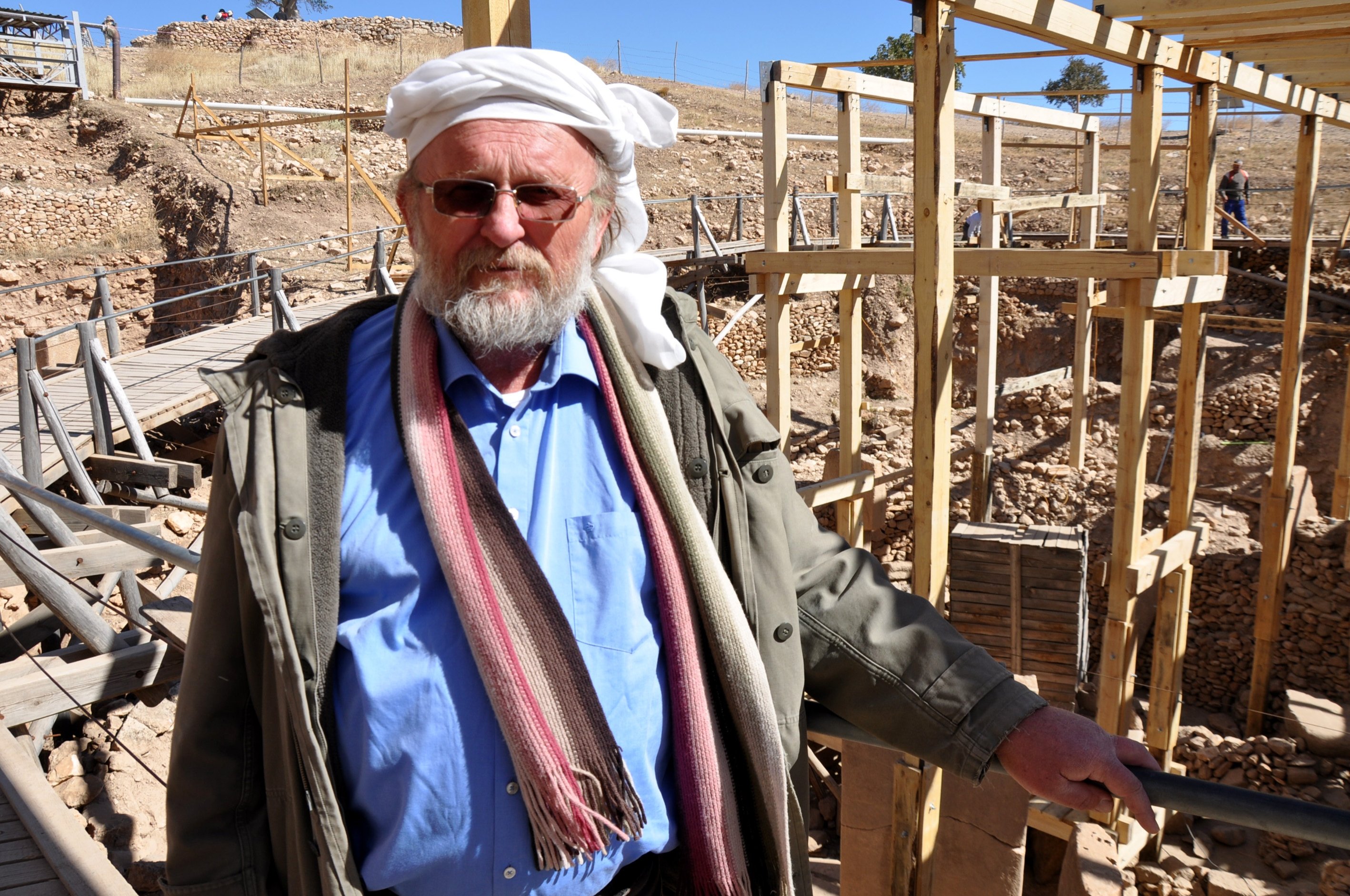
Klaus Schmidt will forever be remembered as the man who revealed Göbekli Tepe, the ancient hilltop temple that stunned the world and shattered conventional timelines about the origins of civilization. In 1994, Schmidt uncovered this Neolithic marvel in southeastern Turkey—an archaeological site featuring towering T-shaped pillars, intricate animal carvings, and a scale of construction so advanced that it seemed impossible for a society without the wheel, writing, or agriculture to have created it.
Göbekli Tepe was not just old; it was anomalous. It wasn’t just a relic from the distant past—it was a powerful statement about the evolution of human society. This discovery left the academic world gasping for breath, forcing historians and archaeologists to rethink the very foundations of human civilization. Schmidt proposed a radical idea: maybe it wasn’t agriculture or the development of the wheel that led to the rise of civilization. Instead, he suggested that religion—spiritual belief—was the spark that ignited the foundation of society itself. Göbekli Tepe, Schmidt argued, wasn’t just the cradle of civilization; it was the genesis of everything.
But what the public didn’t know, and what even Schmidt’s closest colleagues failed to realize, was that while his attention remained firmly on Göbekli Tepe, his focus was slowly shifting to something else. A few miles away, beneath the modern city of Şanlıurfa, another site known only to a few scholars and locals was waiting to reveal its own secrets: Gürcütepe.
Unlike Göbekli Tepe, Gürcütepe lacked grandeur. There were no monumental stone pillars or towering carvings to catch the public’s eye. Instead, what Schmidt found at Gürcütepe was far more mundane but equally profound. While Göbekli Tepe revealed the spiritual and ritualistic aspects of ancient societies, Gürcütepe revealed their daily lives—intimate moments of survival, crafting, cooking, and raising children.




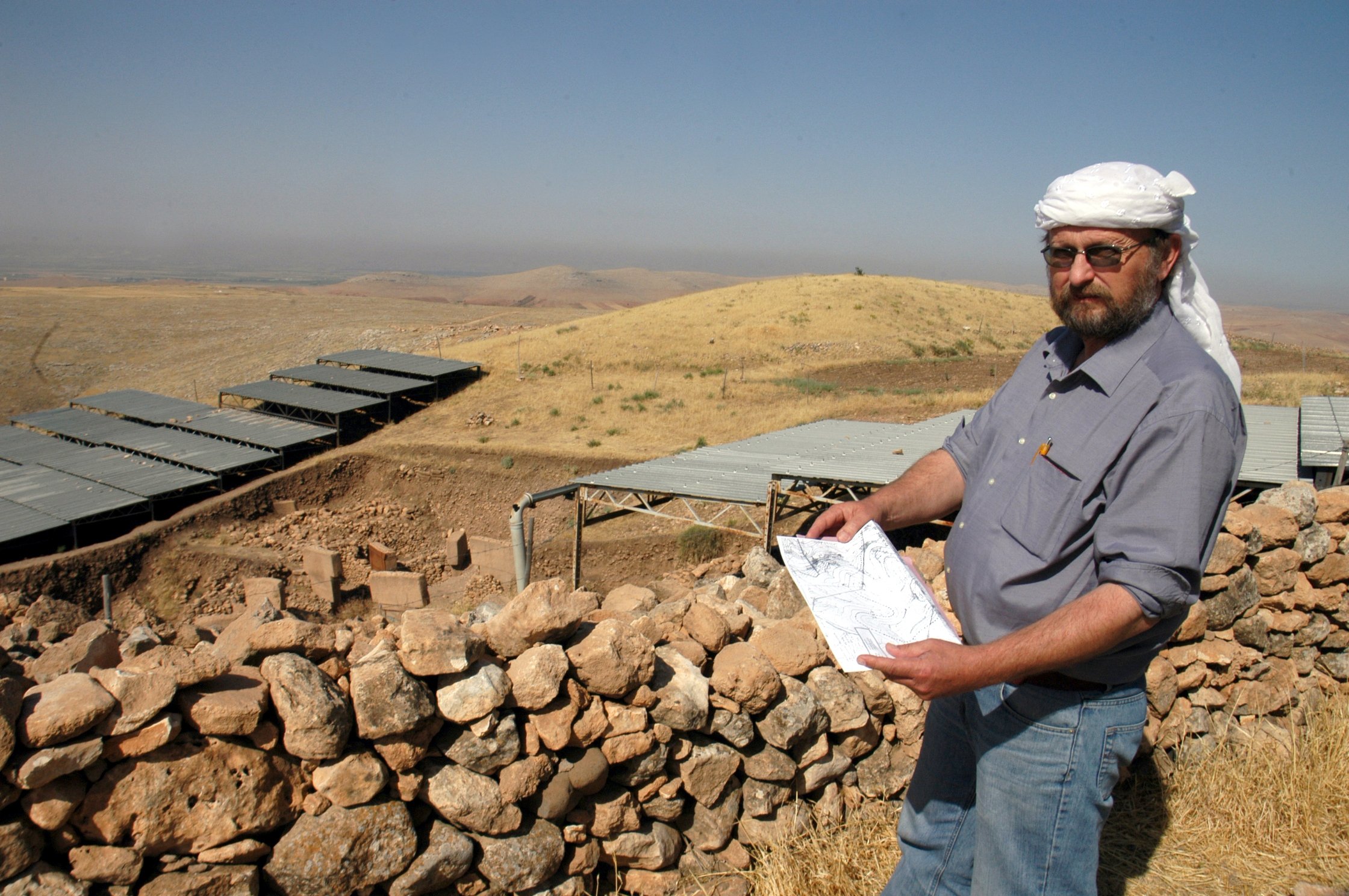
In 1995, just a year after his initial involvement with Göbekli Tepe, Schmidt began test digs at Gürcütepe. What he unearthed was not grandiose, but it was consistent, deeply layered, and surprisingly human. Mudbrick walls, hearths, stone foundations, bone tools, and small figurines—none of these spoke of gods or rituals. Instead, they revealed ordinary people living their daily lives, grounded in family and community.
A Revolutionary Realization
At first glance, the contrast seemed stark: Göbekli Tepe was a sacred temple, while Gürcütepe appeared to be a simple village. One was symbolic, dedicated to the divine; the other was secular, focused on the mundane acts of survival. But as Schmidt dug deeper, something unsettling began to emerge.
Through his excavations, Schmidt came to a startling conclusion: Gürcütepe was not contemporary with Göbekli Tepe. In fact, it came after it.
This realization shook him to the core. If true, it meant that civilization didn’t evolve from villages to temples. It went the other way. Göbekli Tepe wasn’t the birth of society—it was the pinnacle, the climax of an age, an explosion of spiritual and architectural energy that ultimately burned out. And Gürcütepe? It was the response to that collapse. It was a retreat, a move from the public awe of monumental temples to the quiet, resilient survival in private, domestic spaces.
This was a truth that Schmidt knew could change everything—but it also meant undoing the very narrative that had brought him worldwide acclaim. He had helped uncover the world’s first monumental temple, the discovery that had made him a renowned figure in the archaeological community. To speak the truth about Gürcütepe would not only undermine his own legacy—it would challenge everything the world believed about the rise of civilization.

Keeping the Truth Hidden
For years, Schmidt kept his findings to himself. In interviews, he continued to emphasize Göbekli Tepe and its significance. In his papers, he referenced Gürcütepe only briefly, often in passing. But privately, he became obsessed with the site. He referred to it as “the missing piece,” the key that could explain not just what we built, but what we lost.
In the last months of his life, Schmidt’s demeanor began to change. He became quieter, more reflective. He revisited old notes on Gürcütepe and poured over his sketches and measurements. He knew his time was running out. He knew that he would either take this truth to the grave with him, or he would share it.
In the final days of his life, just before his sudden death in 2014, Schmidt spoke with a colleague while vacationing in Germany. His voice trembled as he said, “This is very urgent. I can’t keep this hidden anymore.” He then made a statement that would become his final revelation: “Gürcütepe is what came after. We didn’t move from villages to temples. We moved from temples to villages. That’s the real story.”
He died shortly after—unexpectedly, at the age of 61, from a heart attack.
The Lost Truth Finally Revealed
For years, Schmidt’s final revelation remained buried. Gürcütepe remained largely forgotten, overshadowed by the more celebrated Göbekli Tepe. Some academics briefly referenced the site, but it was overshadowed by the allure of its more famous counterpart. Locals, meanwhile, had little knowledge of the treasures buried beneath their feet. Urban sprawl eventually erased portions of the site.
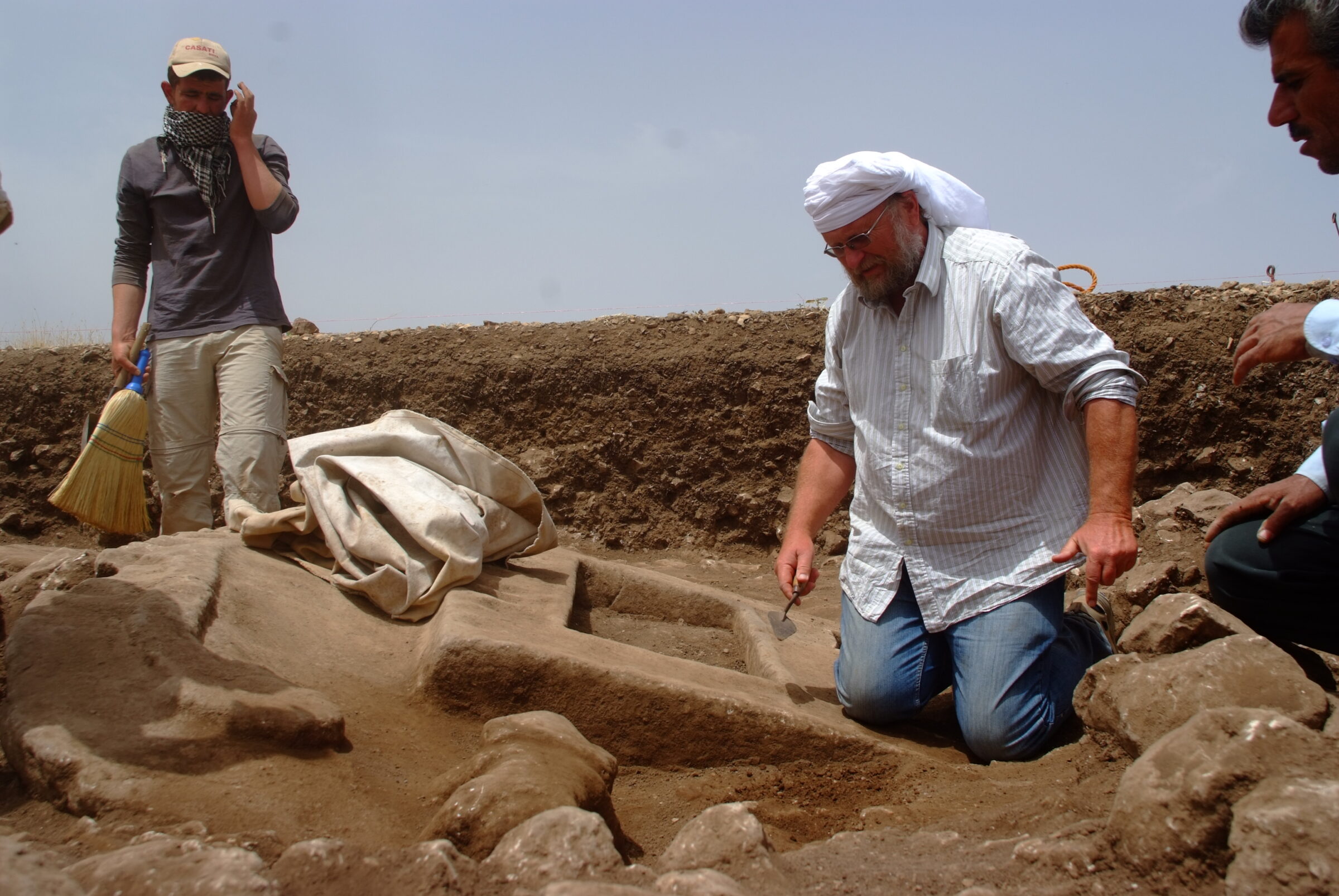
But in 2021, a joint Turkish-German team returned to the untouched section of Gürcütepe—Gürcütepe 3. This small section, just 30 feet across, held what might be one of the most important archaeological finds of our time. Excavations revealed two distinct layers: one clearly domestic, one even older.
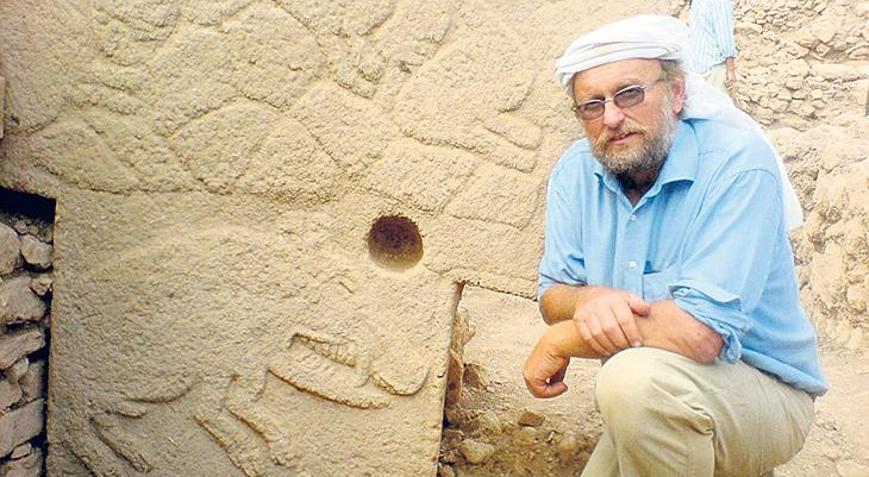
Radiocarbon dating confirmed that the main occupation at Gürcütepe came after Göbekli Tepe had already gone silent. The new findings—stone buildings, hearths, flint tools, and figurines—painted a picture of daily life: intimate, personal, and human. The figurines were genderless, some with exaggerated features, not worshipped or revered, but held in hand—symbols not of gods, but of everyday spirituality.
Not towering symbols, but intimate tokens.
Spirituality didn’t vanish.
It became smaller.
Personal.
Carried not in stone, but in hands.
And that was Schmidt’s truth.
Göbekli Tepe was not the beginning.
It was the climax of something ancient, strange, and almost unfathomable.
But it didn’t last.
The people who built those pillars didn’t disappear.
They evolved.
They moved inward.
From public ritual to private life.
From monuments to homes.
From communal awe to familial resilience.
And Gürcütepe was their footprint.
The implications are staggering.
If this is true, then the roots of civilization are not in temples, but in the recovery that followed them.
In the moment when human beings chose to stop carving gods into stone—and started carving out lives for their families.
That shift—the move from sacred space to social space—might be the real beginning of civilization as we know it.
And Klaus Schmidt knew it.
He tried to tell us.
A New Understanding of Civilization
Schmidt’s revelation, once hidden and ignored, is now undeniable. The real story of human civilization might not lie in the temples of Göbekli Tepe, but in the villages that followed. When the grand temples of the past collapsed, humanity did not vanish. Instead, we adapted. We retreated inward, to family life, to communities. We built homes, not monuments. We carved out lives, not gods.
Gürcütepe now stands as a symbol of resilience—a reminder that the real foundation of civilization is not built on awe-inspiring temples but on the quiet, persistent act of living, of surviving, and of building a future together. This is where civilization truly began—not with the grandeur of gods, but with the bond of family, the heart of human existence.
Klaus Schmidt’s legacy is no longer only about what he unearthed at Göbekli Tepe, but about the profound understanding he gained too late to share fully. He discovered not just the world’s first temple, but what came after—the resilience of human life when the temple fell. And perhaps, in the end, this second discovery, buried for so long, is the one that matters most.
The next time someone claims civilization began with grand monuments, tell them about Gürcütepe. Tell them about the true beginning of civilization, and the man who saw it coming.